Tree access problems and gardeners safety on St Helier estate: practical guidance for safer, smoother work
Tree work on an estate can look straightforward from a distance. In reality, access is often the part that changes everything. Narrow paths, parked cars, shared entrances, awkward fencing, low branches, uneven ground, and nearby residents all affect how safely a gardener or tree team can work. If you are trying to understand Tree access problems and gardeners safety on St Helier estate, you are probably dealing with a very real mix of logistics and risk, not just a routine bit of pruning.
This guide explains what makes access tricky, why safety planning matters, and how the job is usually approached in a sensible way. It also covers the common mistakes people make, what to check before work starts, and when a broader service such as tree lopping and removal or garden maintenance may be the better fit. Let's face it, the difference between a tidy job and a stressful one is often just preparation.
Contents
- Why Tree access problems and gardeners safety on St Helier estate Matters
- How Tree access problems and gardeners safety on St Helier estate Works
- Key Benefits and Practical Advantages
- Who This Is For and When It Makes Sense
- Step-by-Step Guidance
- Expert Tips for Better Results
- Common Mistakes to Avoid
- Tools, Resources and Recommendations
- Law, Compliance, Standards, or Best Practice
- Options, Methods, or Comparison Table
- Case Study or Real-World Example
- Practical Checklist
- Conclusion
- Frequently Asked Questions
Why Tree access problems and gardeners safety on St Helier estate Matters
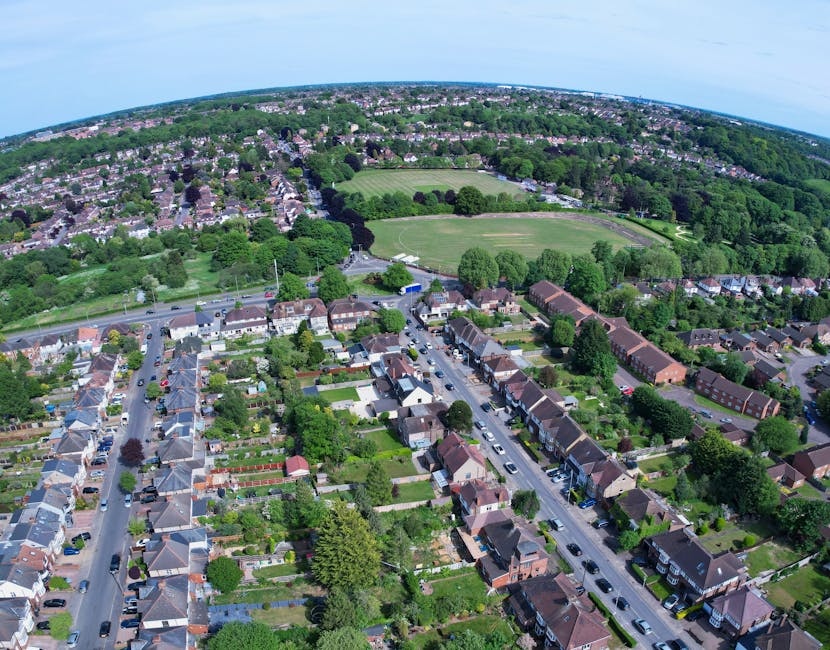
Access problems are not a small nuisance. They shape the entire job from the first minute to the last. On an estate like St Helier, trees are often close to homes, paths, boundary walls, drying areas, parked vehicles, and shared communal spaces. That means a simple cutback can quickly become a coordination exercise.
Safety matters for a few obvious reasons, but also for the less obvious ones. A gardener with no safe way to carry tools, position a ladder, or manage cuttings may rush. And once people rush, mistakes creep in. A stray branch, a slip on damp paving, a blocked route, or a badly placed trip hazard can turn a routine visit into a problem for everyone nearby.
There is also the resident side of it. Shared estates need work to happen with as little disruption as possible. People still need to get in and out, bins still need moving, and life carries on. Good access planning respects that reality rather than pretending the garden sits in a private bubble. In our experience, that simple shift in mindset makes the whole job feel calmer.
Expert summary: safe tree work on an estate is not only about cutting branches. It is about planning movement, controlling risk, and protecting people, property, and the work area from avoidable trouble.
How Tree access problems and gardeners safety on St Helier estate Works
The process usually starts before anyone touches a saw or hedge trimmer. A good team looks at how they will reach the tree, where they can park, how materials will be moved, and whether the route is clear enough for equipment and waste removal. If the access point is tight, the work method may need to change.
For example, a tree close to a communal walkway may need lightweight, hand-carried equipment rather than larger tools. If the only approach is through a narrow side passage, cuttings might need to be removed in smaller loads. If branches are overhanging cars or paving, the team may set up barriers or temporary exclusion zones. Nothing fancy. Just careful, practical control.
Gardener safety also depends on what is underfoot and overhead. Wet leaves, cracked paving, poor lighting, uneven steps, loose gravel, low brickwork, and hidden obstructions all matter. A branch can be perfectly fine to cut, yet the route to reach it is the real issue. Sounds obvious, but that is exactly where a lot of jobs go sideways.
Where the tree is too constrained for safe pruning, the decision may be to reduce the scope, bring in specialist tree services, or combine work with wider site clearance. A service like garden clearance can be useful where access is blocked by overgrowth, fly-tipped waste, or general clutter around the work area.
Key Benefits and Practical Advantages
Handling access properly does more than prevent accidents. It also improves the quality of the finished work and reduces stress for everyone involved. That might sound a bit neat, but it really is true.
- Safer working conditions: fewer slips, fewer awkward lifts, and less chance of contact with people or property.
- Cleaner results: the team can work methodically instead of hacking through obstacles and hoping for the best.
- Less disruption for residents: good planning keeps communal routes open and avoids unnecessary noise or blockage.
- Better protection for trees: the right access plan helps avoid rushed cuts and clumsy handling.
- More accurate quoting: once access issues are identified early, the scope and time needed are easier to judge.
- Fewer return visits: efficient access usually means the job can be completed properly in one visit, or at least fewer visits.
There is a knock-on benefit too: the estate looks cared for rather than merely patched up. A tidy tree line, safe path edges, and uncluttered working areas can change how the whole space feels. On a grey morning in Sutton, that matters more than people think.
If the wider garden needs attention beyond the tree itself, a broader service such as services overview can help you think through the full scope rather than treating each issue in isolation.
Who This Is For and When It Makes Sense
This topic matters to several groups, and not just one type of customer. If you manage a block, coordinate communal areas, or live on the estate and want work done without chaos, access planning is relevant from the start.
It makes sense if you are:
- a resident dealing with overhanging branches near a path, fence, or window
- a landlord or property manager arranging maintenance for shared grounds
- a gardener trying to complete work safely with limited entry points
- a homeowner whose tree has grown into a tight side return or rear garden
- someone planning seasonal tidy-ups where leaves, moss, and low growth make access slippery
It is especially relevant after windy weather, when branches shift, debris collects, and the usual route becomes less predictable. A job that seemed easy in April can become trickier by late autumn, when the ground is damp and everything feels just a little less forgiving.
Sometimes the right answer is not "more tools". It is "better access". That is the bit many people miss.
Step-by-Step Guidance
- Walk the route first. Do not assume the obvious way in is the safest way. Check gates, side passages, paving, steps, and any low overhangs.
- Identify pinch points. Look for narrow turns, tight corners, low branches, and places where a person carrying equipment would have to twist or step back awkwardly.
- Agree the work zone. Decide where the team can set tools, stack cuttings, and keep the area clear. Shared estates need clear boundaries, even if only temporary.
- Protect people and surfaces. Use warning cones, barriers, covers, or simple exclusion zones if foot traffic is likely. Nothing dramatic. Just sensible control.
- Choose the right method. If access is poor, smaller equipment, hand pruning, sectional removal, or a staged approach may be safer than trying to force the issue.
- Manage waste as you go. Do not leave branches piled where they block the route out. On a cramped site, waste management is part of safety.
- Review the finish. Check that the path is clear, surfaces are swept, and no hidden trimmings are left where someone could slip later.
That last step is easy to skip when everyone is tired. And yet it is often the step people remember most. A clean exit says a lot about the standard of the job.
Expert Tips for Better Results
Here are the practical things that make a real difference on estate work.
- Start with access, not tools. Tool choice comes after the route is understood.
- Keep the smallest possible footprint. Use only the space you need and avoid spreading equipment across shared routes.
- Watch the weather. Damp paving, wind, and low light all change the risk picture. Early starts are fine, but if the path is slick at 8am, it is slick.
- Use short, controlled carries. Smaller loads are slower, yes, but they are often safer on tight communal sites.
- Speak to residents early. A quick heads-up about temporary access changes can prevent complaints and random interruptions.
- Prune with the route in mind. Sometimes the best cut is the one that creates a safer future access point too.
If the issue is not just tree access but the surrounding planting, then services such as hedge trimming and landscape gardening may help open things up properly rather than leaving a half-finished squeeze point.
One small but useful habit: take a second look at ground-level obstacles after the main cut is done. Offcuts, twigs, muddy footprints, even a forgotten glove can become a trip hazard. It sounds minor. It isn't, really.
Common Mistakes to Avoid
A lot of access problems become safety problems because someone assumed the job would be easier than it is. Fair enough, people do that. But on a shared estate, shortcuts can have wider consequences.
- Ignoring the approach route: A beautiful tree is no help if nobody can reach it safely.
- Working around clutter: Moving around bins, broken pots, stored bikes, or rubble without clearing them first usually slows the job down anyway.
- Using oversized equipment: If the space is tight, larger tools can create more risk than benefit.
- Leaving cut material in the walkway: That creates an obvious hazard and blocks escape routes.
- Failing to communicate: Residents who are surprised by barriers or noise often assume the worst.
- Skipping a final check: People are tired at the end of a job. That is exactly when final checks matter most.
There is also a bigger strategic mistake: trying to solve a structural access issue with a one-off tidy-up. If the same route is always cramped, the real fix may be a combined maintenance plan, not just repeated reactive visits.
Tools, Resources and Recommendations
You do not need every possible bit of kit. In fact, too much equipment can make a tight estate job worse. The useful tools are the ones that fit the site, not the ones that look impressive in the van.
| Need | Practical option | Why it helps on a constrained site |
|---|---|---|
| Narrow access | Compact hand tools and smaller carriers | Reduces collisions, squeezing, and awkward manoeuvres |
| Shared walkways | Temporary barriers or cones | Protects residents and gives the team a clear work boundary |
| Damp paving | Slip-aware footwear and careful route planning | Helps reduce falls where surfaces are wet or uneven |
| Overgrown routes | Pre-clearance and staged removal | Makes the site safer before the main work begins |
| Waste handling | Small, frequent removal loads | Prevents build-up and keeps exits open |
For jobs where access is blocked by general overgrowth or accumulated debris, combining the tree work with garden clearance can save time and make the area easier to manage afterwards. If ongoing upkeep is the real need, then lawn mowing and routine maintenance often stop the same access issues reappearing every few weeks.
And yes, a decent broom still earns its keep. Not glamorous, but incredibly useful.
Law, Compliance, Standards, or Best Practice
Tree and garden work in the UK should be carried out with sensible attention to health and safety, safe working methods, and the conditions on site. On an estate, that usually means considering risks to workers, residents, visitors, and nearby property before work starts. The exact approach depends on the site, the task, and the level of risk.
Good practice usually includes:
- a suitable risk assessment before work begins
- clear communication where communal access may be affected
- appropriate equipment for the job and the location
- safe handling of tools, branches, and waste
- attention to trip hazards, falling debris, and public movement
If a contractor says they can simply "fit it in" without checking access, that is worth questioning. In shared spaces, careful method matters more than speed. It is also sensible to look at the contractor's own policies, including health and safety policy and insurance and safety information, so you know how they approach risk and accountability.
For residents and managers alike, the best practice is straightforward: plan first, work second, tidy last. Not a glamorous rule, but a reliable one.
Options, Methods, or Comparison Table
When access is difficult, there is rarely one perfect method. The right option depends on space, urgency, tree size, and how much disturbance the estate can tolerate.
| Method | Best for | Limitations |
|---|---|---|
| Light hand pruning | Small jobs, narrow access, delicate areas | Slower on larger trees and can be labour-intensive |
| Sectional tree work | Tight spaces near paths, fences, or buildings | Needs careful control and more planning |
| Combined clearance and tree work | Overgrown or cluttered sites | May take longer at the start, but often solves more problems |
| Routine maintenance visits | Ongoing estate care and repeat access issues | Requires consistency, not a one-off mindset |
| Full removal | Unsafe, diseased, or irreparably awkward trees | Only appropriate where pruning will not solve the issue |
For many estates, the best answer is not the most dramatic one. A measured pruning plan combined with routine garden maintenance often keeps access manageable without constant disruption.
Case Study or Real-World Example
Imagine a shared courtyard on the St Helier estate where a mature tree leans over a narrow path between parked cars and a row of front doors. The tree itself is healthy enough, but the route in is cramped. There is no broad working area, only a strip of paving with a low wall on one side and a fence on the other.
The practical approach would start with a walk-through, not a ladder. The team would note where residents pass through most often, check for loose paving and slippery patches, and decide whether work can happen in one go or should be split into stages. If cut branches might block access, the waste plan would be sorted before the first cut is made.
In a case like this, a small amount of pre-clearance can change the whole job. Removing clutter, trimming nearby growth, and using a sectional method means the pathway stays usable. Residents are less inconvenienced, the team has space to work, and the final result looks intentional rather than forced. That is usually the sweet spot.
It's the kind of job where the quiet bits matter most. The bit no one notices if done well, and everyone notices if not.
Practical Checklist
Use this before any tree or garden work where access is tight.
- Have I walked the route from entry to work area?
- Are there any steps, slick paving, low branches, or narrow turns?
- Will residents still be able to move safely through the area?
- Is there a clear place to put tools, cuttings, and waste?
- Does the method fit the space, or is the equipment too large?
- Do I need barriers, cones, or another way to mark the work zone?
- Have I thought about weather conditions and ground grip?
- Would a separate clearance or maintenance visit make the job safer?
- Is the end-of-job sweep and final check part of the plan?
Quick takeaway: if access feels awkward before the job starts, it will probably feel worse halfway through. Plan for the awkward bit first.
Need a safer, more practical plan for restricted estate access? Speak to a team that understands both the garden and the surrounding pressures, and can guide you through the best approach without overcomplicating it.
Get a free quote today and see how much you can save.
Conclusion
Tree access problems on the St Helier estate are really about more than getting through a gate or around a hedge. They affect how safely people can work, how smoothly residents can move around, and how well the final result holds up over time. Once access is understood properly, the whole job becomes more manageable.
The best outcomes usually come from simple habits: walk the route, clear the space, choose the right method, and finish with care. Nothing flashy. Just steady, sensible work that protects people and gives the garden room to breathe.
If you are dealing with a tight site, take it seriously from the start. The calm jobs are nearly always the ones that were planned calmly. And that, in the end, is what makes estate garden work feel safe, tidy, and properly done.
Frequently Asked Questions
What are the main tree access problems on the St Helier estate?
The most common issues are narrow paths, shared entrances, parked vehicles, low branches, wet paving, and limited space to store tools or remove waste safely.
Why does access matter so much for gardener safety?
Because unsafe access increases the risk of slips, trips, awkward lifting, blocked routes, and rushed work. If the route in is poor, the whole job becomes harder to control.
Can tree work be done in a very tight communal area?
Yes, often it can, but the method may need to change. Smaller tools, sectional work, clear exclusion zones, and careful waste handling are usually better than trying to force large equipment into a small space.
Should residents be told before tree work starts?
Usually, yes. On shared estates, a simple heads-up helps people plan around temporary barriers, noise, or access changes. It also reduces confusion on the day.
What should I check before booking work?
Check the access route, the size of the work area, whether the site is cluttered, and whether the contractor is set up for safe working on restricted communal ground. It is also sensible to review their terms and conditions and service information before confirming anything.
Is tree removal always better than pruning when access is hard?
No. Removal is only appropriate in some situations. If the tree is healthy and the issue is mainly access, careful pruning or a maintenance plan may be the better option.
How does weather affect safety on estate tree jobs?
Wet paving, wind, and poor light can make access routes riskier. Even a short job can become awkward if the ground is slippery or debris is blowing into the path.
What happens if the path is blocked by overgrowth or clutter?
In that case, a clearance-first approach is often the safest way forward. A service such as garden clearance can make the route workable before the main tree work begins.
Do I need regular maintenance to avoid repeat access issues?
In many cases, yes. Routine care helps stop branches, hedges, weeds, and debris from gradually narrowing the work area again. Regular garden maintenance can save a lot of hassle later.
How do I know if a contractor is safety-conscious?
Look for clear communication, a sensible plan for the route in and out, appropriate equipment, and proper attention to risk. A contractor should be able to explain how they will protect residents and the site without sounding vague or rushed.
What is the best next step if I am unsure about the access issue?
Start with a site assessment and ask for practical advice rather than a rushed quote. If the problem seems bigger than simple trimming, a broader view of the area can help you choose the safest and most efficient solution.
Can tree access problems be solved without disturbing neighbours too much?
Often, yes. Good planning, short working windows, tidy waste handling, and clear communication can keep disruption low. A considerate approach goes a long way on a busy estate.