Hedge Trimming in Sutton

Hedge Trimming Sutton provides a clear, practical service for keeping garden boundaries neat, healthy and appropriately shaped. If your hedge has grown unevenly, started to block paths or simply needs regular upkeep, the work can be planned around the size, height and plant type involved. We focus on careful cutting that respects the hedge structure, helping maintain a tidy finish while supporting the plant’s ongoing growth and the appearance of the wider garden.
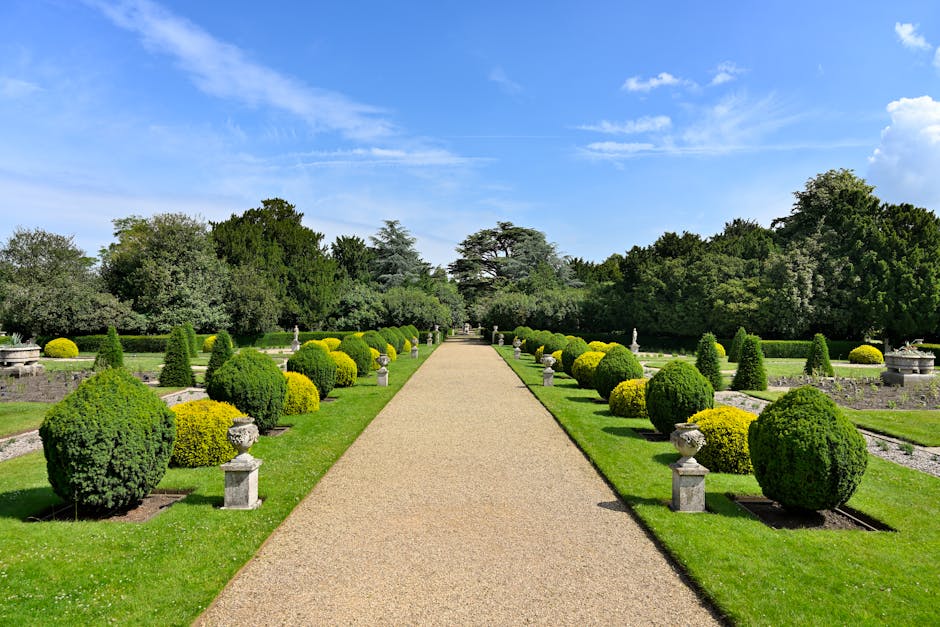
Our hedge work covers routine trimming, seasonal shaping and reductions where hedges have become too wide or too tall for their setting. We also handle mixed boundary planting where a hedge needs selective attention rather than a hard cut all the way through. For many customers, the most useful result is a well-defined line that looks deliberate without being overworked. If you are comparing options, our hedge trimming service explains the core work in more detail.
For straightforward pricing discussions, it helps to think about access, hedge length, current condition and the finishing height you want to keep. Thicker, taller or neglected growth usually takes longer to manage than light maintenance cutting, while carefully clipped ornamental hedges need a different approach from informal screening hedges. You can request a quotation whenever you are ready, and a simple description of the hedge is often enough to start the conversation.
Regular hedge maintenance and seasonal shaping
Routine maintenance is usually the best way to keep hedges manageable and attractive through the year. Instead of letting the growth run on and then cutting heavily back later, regular attention helps preserve a balanced outline and avoids the sharp visual changes that come with occasional drastic cuts. A maintained hedge often sits better against lawns, borders and driveways, because the edges stay crisp and the profile remains consistent from one season to the next.
Different hedge types call for different timing and finish levels. Formal hedges generally need a more exact cut, while informal hedging may be better treated with a lighter shaping approach that preserves a softer look. We can work with hedges that form garden boundaries, divide outdoor areas or frame front gardens, and we adjust the trimming style to suit the intended appearance. If you also want broader garden care, the garden maintenance page outlines complementary work that can support the finished result.
Seasonal trimming is also useful when the hedge has started to encroach on paths, windows or neighbouring spaces. The aim is not just to shorten growth, but to restore usable structure and keep the hedge contained within its intended space. Careful trimming can make a strong difference without removing more growth than necessary, which is especially important for hedges that need to keep their density.
Reducing height, width and overgrowth
When a hedge has grown beyond its intended size, reduction work needs a measured approach. Cutting back too hard in one go can leave the hedge looking thin or uneven, while leaving too much growth may continue the problem. The right balance depends on the species, current condition and the shape you want to achieve. Our hedge trimming work can include narrowing overwide sections, bringing down excessive height and re-establishing a more manageable outline.
This kind of work is often chosen where a hedge has become difficult to reach or is affecting light and space around the garden. It can also be useful after a long period without maintenance, when the hedge needs to be brought back into line before regular trimming can resume. If the boundary planting is part of a larger outdoor project, you may find the wider landscape gardening page useful for understanding how hedge shaping fits alongside other garden improvements.
In many cases, the best result comes from combining reduction with a tidier final finish, so the hedge looks intentional rather than simply cut down. That may mean easing the top line, correcting a lean in the sides or creating a more even surface across a long run. Good reduction work is about control as much as removal, and it should leave the hedge suitable for continued maintenance in later seasons.
Hedges, boundaries and the surrounding garden
Hedges rarely stand alone in a garden, so the trimming approach needs to consider what sits beside them. A hedge near a lawn edge may need a straighter line to help define the border cleanly, while a hedge beside a patio or driveway may benefit from a slightly more tailored finish to avoid spillage and clutter. Where planting is part of the garden’s structure, the trimmed result should feel connected to the rest of the layout.
Some gardens use hedges as part of a more open design, with visible layers of planting and hard landscaping around them. In those settings, hedge trimming is as much about proportion as it is about neatness. A high, dense hedge can dominate a small space if it is not kept in check, while a more restrained outline can make the whole area feel balanced. For related outdoor surface work, the decking services page may be relevant when hedging sits alongside raised or framed garden areas.
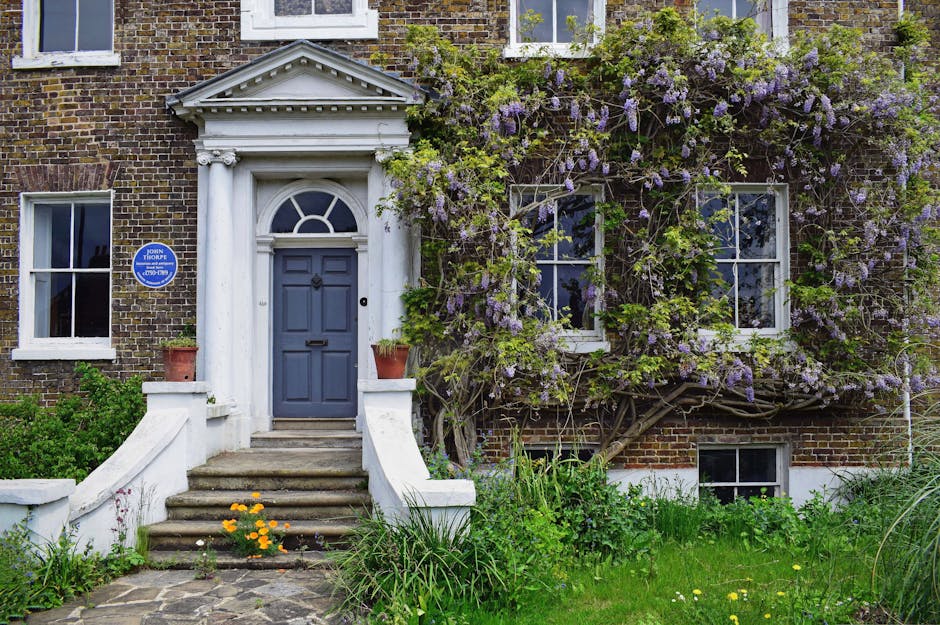
We also take account of how the hedge is seen from inside the property as well as from the garden itself. A trimmed hedge can improve the sense of order from windows, sitting areas and access routes, especially where overhanging growth has started to soften edges that should feel purposeful. If a hedge is part of the front approach, the final shape can help the property present in a calm, well-kept way.
Choosing the right trimming style

Not every hedge needs the same finish, and selecting the right trimming style is important for both appearance and plant health. A formal hedge usually benefits from straight, defined lines and repeated maintenance, while a more natural screen may only need selective tidying to remain attractive. The right choice depends on the hedge’s role, whether it is primarily decorative, practical or a mixture of both.
If you are unsure how far to cut back, it is sensible to start with the hedge’s current condition and the look you want to maintain. Dense evergreen hedging often requires a steady, controlled approach to avoid exposing bare patches, while mixed hedging can sometimes be reduced more selectively. Our service is designed around that kind of practical judgment, rather than a one-size-fits-all cut. For more detail on site works beyond hedges, the services overview gives a broader picture of the work we handle.
Useful choices often come down to three things: the hedge’s purpose, how visible it is and how much growth has been left since the last cut. A short list can help when planning the work:
- maintain a formal boundary with crisp edges
- restore shape after a missed season
- reduce height or spread where space is tight
- keep growth clear of paths and garden features
What affects the quotation
 The quotation for hedge trimming is usually shaped by practical details such as hedge length, height, density and access. A tall hedge with awkward sides may take longer and need more careful handling than a short, open boundary hedge. The level of previous maintenance also matters, because a hedge that has been trimmed regularly is often quicker to shape than one that has gone beyond its intended line.
Other factors can include whether the hedge is reachable from one side or both, whether cuttings need to be moved through narrow access, and whether the finish requires simple tidy-up work or a fuller reshape. If trimming is being arranged together with other garden tasks, it can be helpful to consider the order of work so the hedge is cut at the most suitable point. Our pricing and quotes page sets out how enquiries are handled in a straightforward way.
To help us understand the job, you do not need a lengthy description, but a clear outline of the hedge type and approximate size is useful. Mentioning whether you want light trimming, a level top, reduced width or a fuller reduction gives a better starting point. A concise quotation request is usually enough to begin, and it can save time later if the intended finish is clear from the outset.
Garden waste, cuttings and tidy finish
Hedge trimming produces cuttings that need to be collected and dealt with sensibly. A tidy finish is more than the visible line of the hedge; it also includes leaving the area clear of loose material, snipped stems and awkward debris along the boundary. Where hedges overhang paths, drives or beds, a careful cleanup helps restore the whole area rather than just the hedge face.
Depending on the size of the job, cuttings can be produced in small volumes or in enough quantity to require organised removal. The important point is that the work should end with the hedge area looking considered rather than half-finished. If the trimming forms part of wider outdoor clearance, the garden clearance page may be useful, particularly when there is mixed garden debris to manage alongside hedge cuttings.
We also pay attention to the final shape where the hedge meets other surfaces. Clean edges around borders, fencing lines and access points can make a big visual difference, especially when the hedge has been cut back from an overgrown state. A good result should look neat from a distance and close up, with a clear structure that supports the overall garden layout.
Hedge trimming alongside trees and larger planting
Some hedge work is closely linked with broader tree and planting management. A hedge near trees may be affected by shading, root competition or fallen leaf material, while a boundary planting scheme can change shape as nearby shrubs mature. In these cases, trimming is often most effective when it is considered as part of the whole growing area rather than as an isolated cut. That helps avoid uneven outcomes where one plant line is tidy but the rest of the garden feels out of balance.
Where trees and hedges are both present, it can be useful to decide which element needs priority attention. A hedge may need reshaping to restore definition, while nearby trees might need separate work to improve light and access. For those situations, the tree lopping and removal page covers the tree side of the work, and it can help when planning a more joined-up approach to garden management.
Combined planting often benefits from a careful sequence: first establishing what should stay, then trimming to improve form without stripping the area bare. That is especially relevant in gardens where hedges act as a backdrop for shrubs or soft landscaping. The aim is to keep the hedge functional and attractive while allowing the rest of the planting to retain its character.
About Sutton
Sutton is a large town in South London and the administrative centre of the London Borough of Sutton. It developed from a historic settlement on the route between London and the south coast, and its growth accelerated in the nineteenth century after the arrival of the railway. Sutton station remains one of the town’s best-known transport points, linking the centre with central London and surrounding districts. The town centre combines commercial streets, civic buildings and residential areas, while the wider borough includes a mix of suburban neighbourhoods, parks and older village cores that have been absorbed into the urban area over time. Manor Park is one of the better-known green spaces close to the centre, offering open lawns and a formal setting near the High Street. Sutton’s architecture reflects successive periods of development, from older surviving buildings to later retail and apartment schemes, giving the town a layered appearance rather than a single uniform character. The area also has strong educational and cultural connections, with local schools, libraries and community facilities supporting everyday life. Transport routes, shopping streets and nearby open land all contribute to a place that functions as both a busy town centre and a residential district. In the wider borough, places such as Carshalton, Cheam and Wallington add their own identities, but Sutton remains the main civic focus. Its combination of suburban housing, public open spaces and historic traces makes it a recognisable part of outer London with a distinctly local character.
Keeping hedges manageable through the year

A sensible hedge care plan usually works best when trimming is repeated often enough to prevent heavy correction later. Regular attention keeps growth in check, maintains the intended outline and reduces the chance of a hedge becoming too wide for its space. For domestic gardens, that can mean a lighter summer tidy, a more substantial seasonal cut or a careful shape-up after a period of rapid growth.
Good timing matters because hedges do not all respond in the same way. Some are best kept closely controlled, while others should be treated more gently to preserve shape and density. We aim to match the trim to the hedge’s condition, which can avoid the patchy appearance that sometimes follows an over-enthusiastic cut. If you also need broader garden management, the landscape gardening service can sit alongside hedge trimming when the whole outdoor layout needs attention.
If you would like to go ahead, send over a brief description of the hedge and the type of finish you want. You can then request a quotation in plain terms, without needing to overstate the job. Whether the aim is a simple tidy, a sharper boundary line or a fuller reduction, clear details help us respond with the right scope. Request a quotation when convenient.